

















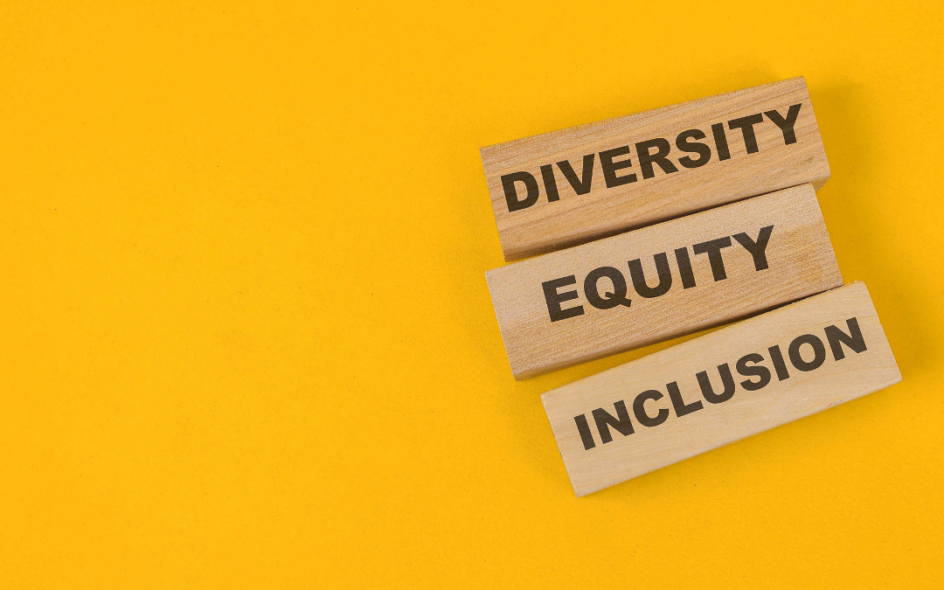
Why Equality and Diversity in Social Care Matter
Equality and diversity in social care are essential to providing safe, respectful and person-centred support. In a sector built on compassion, the way staff are treated—and how services respond to individual needs—has a direct impact on outcomes.
Creating an inclusive workplace isn’t just about policies. It’s about how people feel day to day: valued, supported and able to do their best work. When this is in place, both staff and the people they support benefit.
What Do Equality and Diversity Mean in Care?
Understanding equality and diversity in health and social care starts with recognising individual needs. Equality means ensuring everyone has fair access to opportunities and support, while diversity is about valuing the differences that people bring.
In care environments, inclusion is what makes this meaningful in practice. It ensures people feel respected, heard and able to take part—whether they are staff or service users.
Why It Matters in the Care Workplace
The importance of equality and diversity in social care goes beyond compliance. It has a direct impact on the quality of care being delivered.
When staff feel respected and included, they are more engaged and confident in their roles. This leads to more compassionate, person-centred care. For service users, recognising individual differences—such as culture, communication needs or beliefs—can help build trust and improve overall outcomes.
The Legal Responsibility
Equality and diversity in health and social care are also supported by law. The Equality Act 2010 protects individuals from discrimination in the workplace and in wider society, covering characteristics such as age, disability, race, religion, sex and sexual orientation.
For care providers, this means ensuring fair treatment for both staff and service users, while actively challenging discrimination and promoting equality in everyday practice.
Supporting a Diverse Workforce
A strong approach to equality and diversity in social care helps organisations build diverse, skilled and resilient teams. The care sector relies on people from a wide range of backgrounds, bringing different perspectives and experiences. This diversity strengthens teams and helps services better reflect the communities they support.
However, creating a truly inclusive workplace requires more than representation. Staff need to feel safe, heard and supported to progress in their roles.
This includes:
- Fair recruitment and progression opportunities
- Open communication and listening to staff feedback
- Actively addressing bullying, harassment or bias
- Providing training and support around inclusive practice
When organisations invest in their people in this way, they build stronger teams and improve staff retention—something that is vital in today’s care sector.
From Values to Everyday Practice
Equality and diversity shouldn’t sit in a policy document—they should shape everyday decisions and behaviours.
In practice, this means:
- Adapting care to meet individual needs
- Using inclusive and respectful language
- Making reasonable adjustments for staff and service users
- Creating environments where concerns can be raised safely
These small, consistent actions help build a culture where people feel respected and valued.
Conclusion
Equality and diversity in social care are fundamental to delivering high-quality, person-centred support. They help create workplaces where staff feel valued and services that truly meet the needs of the people using them.
By embedding inclusive practices into everyday care, organisations can improve outcomes, strengthen their teams, and ensure everyone is treated with dignity and respect. If you share our commitment to inclusive, compassionate care, we’d love you to join our team and be part of our diverse workforce.
See Also








Our partners